

silver vanity mirror with lights
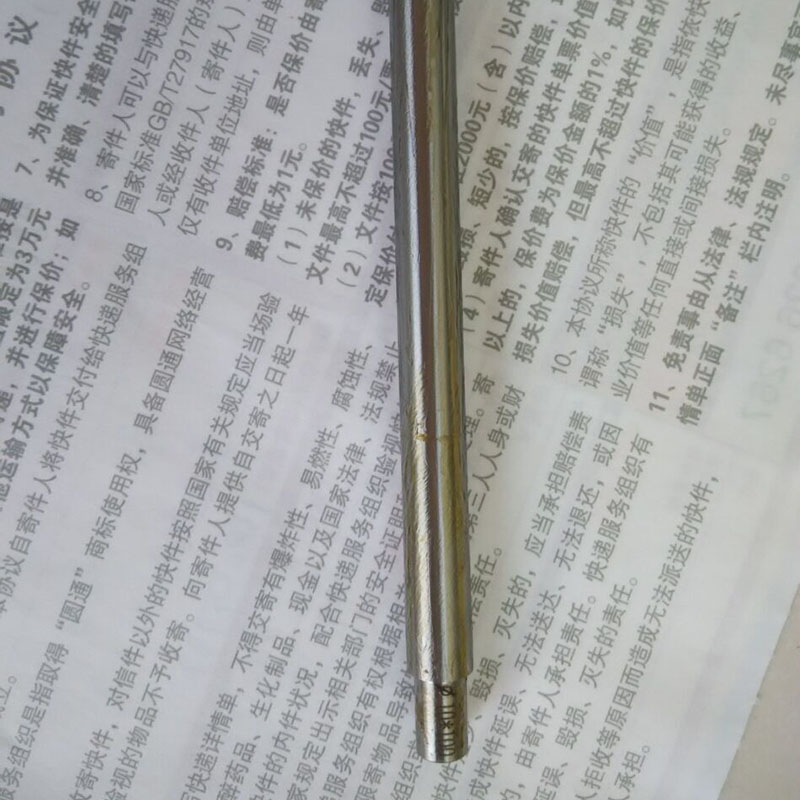
Understanding Bore Gauge A Tool for Precision Measurement (18 - 35 mm) In the realm of manufacturing and engineering, precision is paramount. One of the essential tools in achieving this precision is the bore gauge. Specifically, the bore gauge measuring a range from 18 to 35 mm has become an indispensable tool for engineers and machinists alike. This article explores the significance, operation, and applications of bore gauges within this specific measurement range. What is a Bore Gauge? A bore gauge is a measuring instrument designed to accurately measure the internal diameter of holes, cylinders, and tubes. Unlike calipers, which are more general measuring tools, bore gauges provide a very high degree of accuracy and are specifically tailored for internal measurements. The typical configuration includes a long, slender body and an expandable measuring mechanism that allows it to fit various bore diameters. Importance in Engineering Precision measurement is crucial in engineering fields, where even the smallest deviation can lead to significant functional issues or failures. For components that fit together, such as pistons in engine cylinders or bearings in housings, accurate internal measurements are crucial for ensuring proper tolerances. A bore gauge that measures from 18 to 35 mm fills a critical niche, as many automotive and industrial components fall within this range. How Does a Bore Gauge Work? The operation of a bore gauge generally involves the following steps 1. Insertion The gauge is inserted into the bore to be measured. 2. Expansion The arms of the bore gauge expand as it is turned. This ensures that the gauge fits snugly against the internal surface of the bore. 3. Measurement Once properly positioned, the gauge is withdrawn, and the measurement can be read off a micrometer or dial indicator attached to the gauge. For the bore gauge to provide accurate readings, it is essential to calibrate it correctly and ensure that it is in good working condition. Applications of Bore Gauges bore gauge 18 35mm Bore gauges measuring between 18 mm and 35 mm are used in various applications across different industries 1. Automotive Industry They are commonly used to measure cylinder bores for engines, ensuring that they meet the specifications necessary for optimal performance. 2. Manufacturing In machinery production, bore gauges help ensure that parts fit together correctly, reducing the risk of wear and failure. 3. Aerospace In the aerospace industry, where safety and performance are critical, bore gauges ensure that the dimensional integrity of components is maintained, which is vital for the overall functionality and safety of aircraft. Advantages of Using Bore Gauges The use of bore gauges comes with numerous advantages - Accuracy They are capable of providing highly precise measurements, often within microns, making them far superior to other measuring tools for internal diameters. - Ease of Use With practice, machinists can quickly measure and assess bore sizes, leading to increased efficiency on the shop floor. - Durability Bore gauges are typically made from high-quality materials, ensuring their longevity and reliability in demanding environments. Conclusion In conclusion, bore gauges specifically designed for measuring internal diameters from 18 to 35 mm play a crucial role in ensuring precision across various industries, particularly in automotive, manufacturing, and aerospace applications. As technology continues to advance, the importance of accurate measurement tools like bore gauges cannot be overstated, as they not only contribute to the efficiency and productivity of manufacturing processes but also ensure the safety and reliability of the end products. Whether you are a seasoned engineer or a newcomer to the field, understanding and utilizing bore gauges is essential for achieving quality and precision in your work.
about
silver vanity mirror with lights
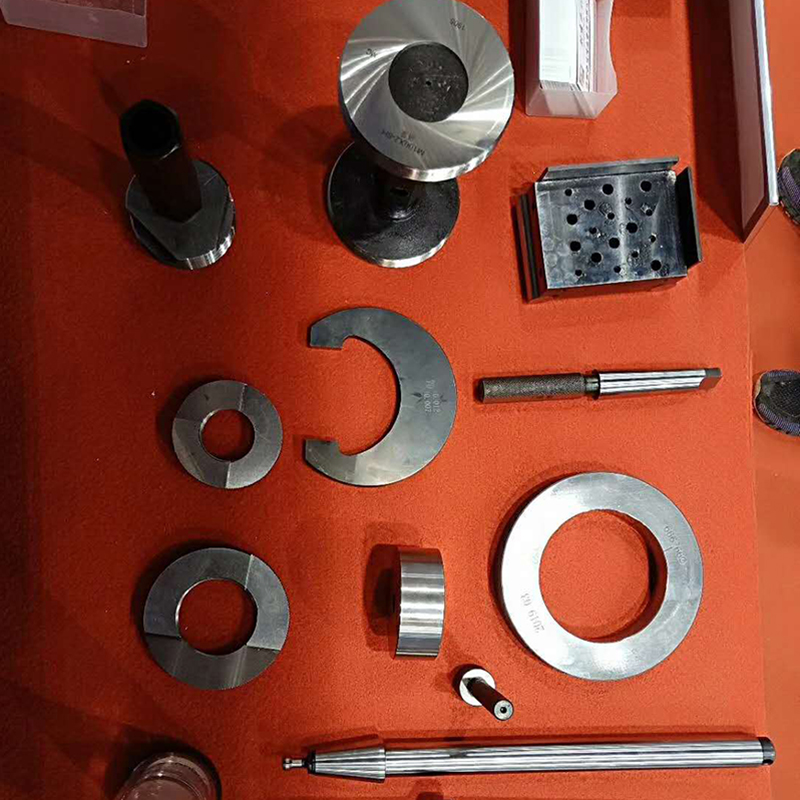
Understanding Thread Go/No-Go Gauges An Essential Tool for Quality Control In the fields of manufacturing and engineering, precise measurement is crucial for ensuring that components fit together properly and function as intended. One of the key tools in this realm is the thread go/no-go gauge, a simple yet highly effective device used to inspect threaded parts. This article will delve into the purpose, design, and importance of these gauges in maintaining quality control. What is a Thread Go/No-Go Gauge? A thread go/no-go gauge is a measuring tool designed to verify the proper dimensions and tolerances of threaded features. It consists of two parts a go gauge and a no-go gauge. The go gauge is used to check the maximum allowable size of the thread, while the no-go gauge checks the minimum allowable size. Together, they help ensure that the threaded part meets the specified standards and can achieve a proper fit with corresponding components. Purpose and Functionality The primary purpose of a go/no-go gauge is to facilitate a quick and reliable inspection process. By using these gauges, manufacturers can efficiently determine whether a threaded part is acceptable for use. During production, threads may be subjected to various factors that can lead to errors—such as wear, tool damage, or improper machining. The go/no-go gauge serves as a definitive testing method, enabling engineers and quality control inspectors to identify parts that fall outside permissible limits. When a part passes the go gauge, it indicates that the thread is within the maximum size limit, meaning it can be assembled with the mating part. Conversely, if a part fails the no-go gauge, it indicates that the thread is larger than the minimum size limit, which could lead to improper fitting or function. Design and Features thread go nogo gauge The design of thread go/no-go gauges can vary depending on the specific application, including the type of thread (e.g., metric or imperial) and the size range being measured. These gauges are often made from high-quality materials, such as hardened steel, to withstand wear and maintain precise dimensions over time. Many modern gauges also incorporate ergonomic features, making them easier to handle and use in production environments. Additionally, some gauges can be designed with a built-in indicator to provide further feedback to the operator, ensuring that the measuring process is both efficient and accurate. Importance in Quality Control Implementing go/no-go gauges in manufacturing processes is critical for quality control. Inaccurate threads can lead to assembly failures, decreased product performance, and ultimately dissatisfied customers. By using these gauges, manufacturers can detect issues before parts are assembled into final products, reducing the risk of costly recalls or repairs. Moreover, go/no-go gauges can help ensure compliance with industry standards and regulations. Many sectors, such as aerospace and automotive, require exact specifications to ensure safety and reliability. Regular use of these gauges can assist companies in maintaining certification and demonstrating their commitment to quality. Conclusion Thread go/no-go gauges are indispensable tools in the manufacturing and engineering sectors. Their simple design and effective functionality provide a reliable method for ensuring that threaded parts meet critical specifications. By integrating these gauges into quality control procedures, manufacturers can enhance product reliability, improve operational efficiency, and ultimately deliver superior products to their customers. As industries continue to evolve, the importance of precise measurements and quality assurance will remain paramount, making thread go/no-go gauges relevant for years to come.
-

High quality industrial productsagement

High quality industrial products
View Details -

Meet the diverse needs of customers

Meet the diverse needs of customers
View Details -

Strict quality control

Strict quality control
View Details -

Top raw materials

Top raw materials
View Details -

Trusted supplier

Trusted supplier
View Details
Our application
news and information

Versatile Applications of Magnetic V Blocks in Precision Machining and Setup
The Versatile Uses of Magnetic V Blocks in Precision Engineering Magnetic V blocks are essential too

waterleidingklep
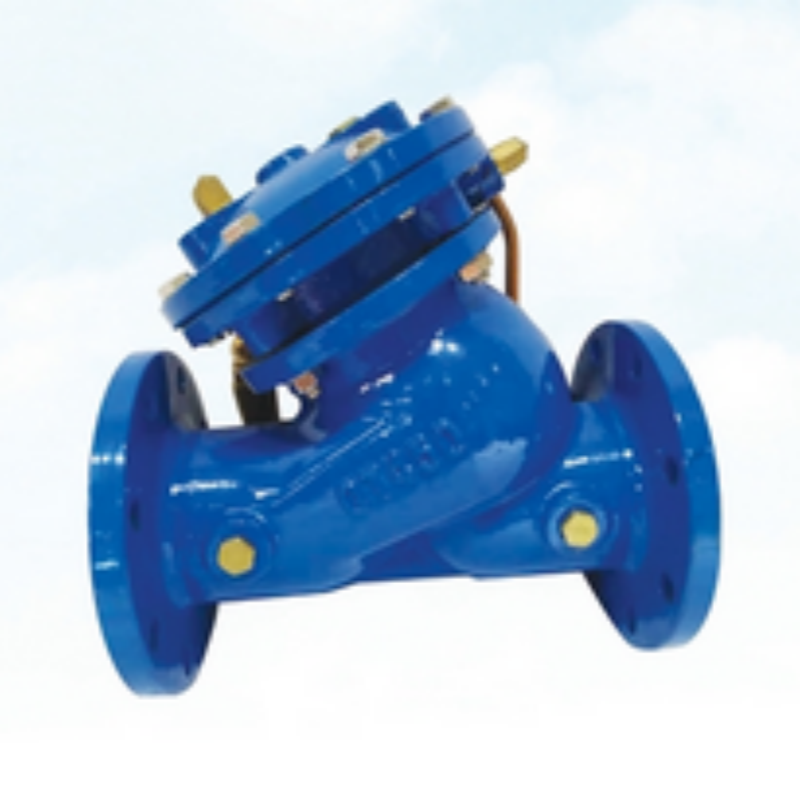
Waterlijnklep Een Cruciaal Element voor Efficiënt Beheer van Waterlopen Een waterlijnklep, of waterl

Various Types of Control Valves and Their Practical Applications in Industry
Control Valve Types and Applications Control valves are critical components in various industrial pr
 English